Voice-Activated Worker Systems Transform Manufacturing Efficiency
Discover how voice-activated worker systems enhance productivity and reduce errors. Learn more about their impact today!
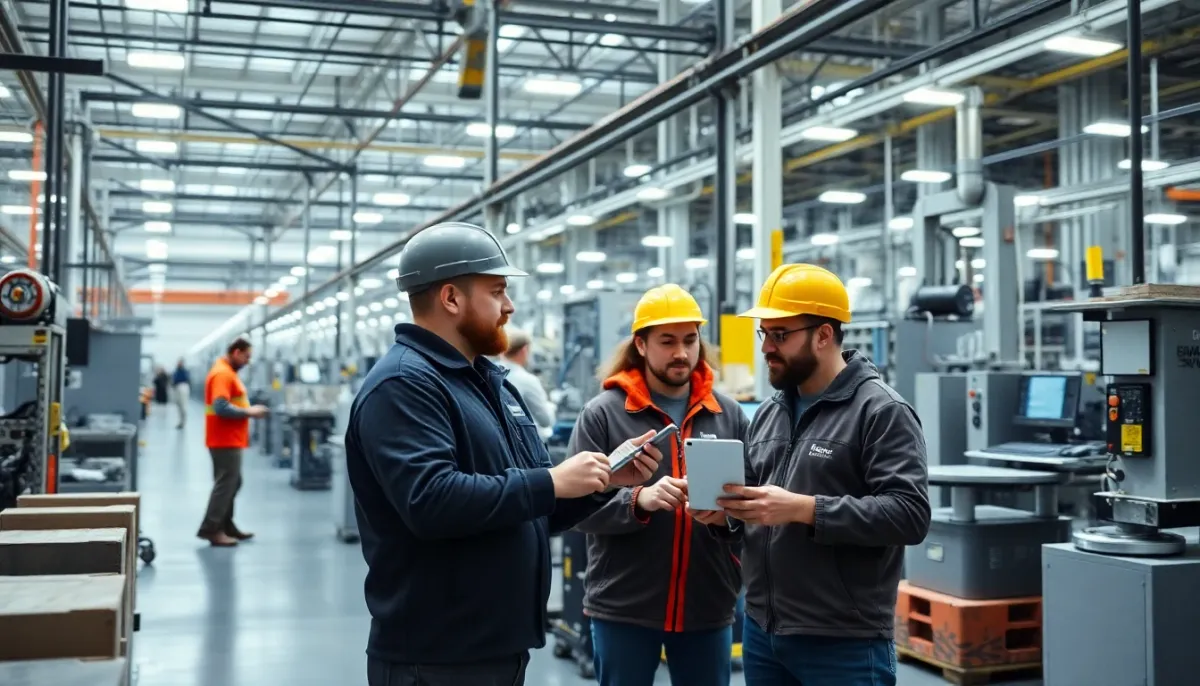
Voice-Activated Worker Systems Transform Manufacturing Efficiency
In today's fast-paced manufacturing environment, voice-activated worker systems are emerging as a valuable technology. These systems enable workers to interact with machinery and data hands-free, optimizing productivity and accuracy across various manufacturing processes. As companies strive to stay competitive, the integration of such systems presents a robust solution to enhance operational efficiency and reduce errors.
Key Details
Incorporating voice-activated worker systems can notably decrease the time it takes to train new employees. This technology allows workers to receive real-time instructions directly from machines, thereby reducing the likelihood of mistakes that can occur when interpreting manual instructions or written communications. Companies like Pella have reported significant reductions in errors and faster training times after implementing these systems.
Industry Impact with Manufacturing Technology
The rise of manufacturing technology like voice-activated systems reflects a broader trend toward automation and AI in the industry. As manufacturers adopt these solutions, they not only enhance productivity but also improve staff safety. By minimizing physical interactions with machinery, workers can operate in an environment that reduces health risks and streamlines communication. The impact is perhaps most evident in sectors like automotive and aerospace, where precision is paramount.
What This Means for Your Business
For manufacturing executives looking to boost efficiency, harnessing AI in manufacturing through voice-activated systems is crucial. Not only can this technology elevate worker performance, but it also fosters a culture of innovation and adaptability by enabling faster responses to operational challenges. As the workforce embraces digital tools, organizations will need to ensure proper training and integration to fully capitalize on this technology. Understanding these shifts can guide strategic planning and execution initiatives.
NutriCove Take
As industries like manufacturing embrace voice-activated systems, NutriCove's AI automation solutions can help businesses streamline their operations and enhance efficiency. By integrating intelligent voice commands into workflows, companies can optimize processes while ensuring compliance and maximizing productivity. These advancements position businesses to scale effectively in a competitive landscape.
FAQ
What are voice-activated worker systems?
Voice-activated worker systems are technologies that allow employees to communicate with machines and software through voice commands. This hands-free interaction streamlines workflows and enhances productivity by providing real-time data and instructions.
How do voice-activated systems improve manufacturing efficiency?
These systems reduce training time and minimize human errors by enabling workers to receive immediate verbal instructions from their systems. This leads to smoother operations and higher accuracy in manufacturing tasks.
Why adopt voice-activated technology in manufacturing?
Adopting voice-activated technology enhances communication, increases worker safety, and promotes operational efficiency, all of which are critical for thriving in today’s competitive manufacturing landscape.
What are the challenges of implementing voice-activated systems?
Some challenges include technological integration with existing systems, ensuring accurate voice recognition in noisy environments, and the need for sufficient training for staff to effectively use the technology.
Source: Industry Week