AI Ethics: Spielberg's Stance on Technology in Film
Explore AI ethics in filmmaking as Spielberg emphasizes the irreplaceable role of creativity. Discover more on this relevant topic now!
AI Ethics: Spielberg's Stance on Technology in Film
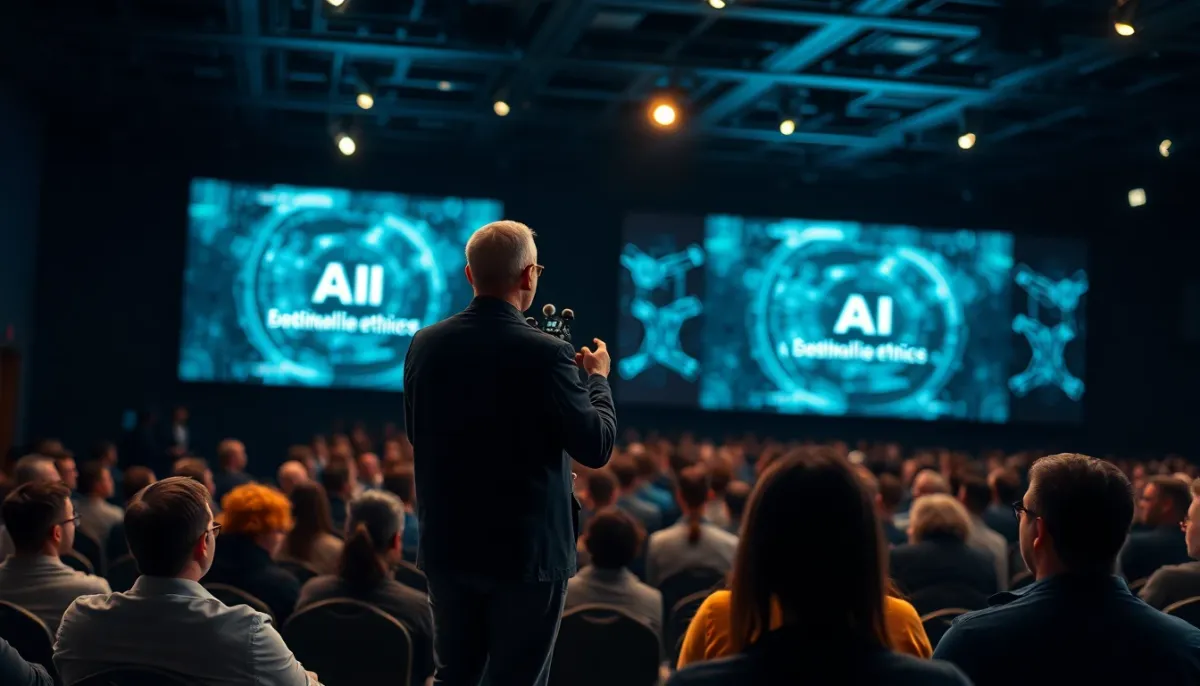
At the recent SXSW festival, renowned filmmaker Steven Spielberg made headlines by asserting that AI ethics must prioritize the creative human touch over technological interference in film and television writing. Emphasizing this point, Spielberg declared that while AI can assist in various fields, it should never substitute the crucial role of creative professionals in storytelling. This conversation about technology and creativity remains vital in our ever-advancing landscape.
AI in Entertainment: Impact on Storytelling
Spielberg’s remarks provoke important questions regarding AI in entertainment. While AI has demonstrated remarkable capabilities in generating text and analyzing data, the essence of storytelling depends on human experiences, emotions, and perspectives. AI ethics come into play when considering the consequences of allowing machines to take center stage in a field grounded in personal creativity.
By emphasizing AI ethics, we can ensure that the narratives we produce resonate with genuine human sentiment. Ultimately, while technology can enhance filmmaking with innovative tools, it should supplement rather than replace the nuances brought by writers and directors.
Technology in Film: A Double-Edged Sword
As the film industry embraces advancements in technology, the balance between innovation and creativity becomes increasingly crucial. Spielberg highlights the risks associated with over-reliance on tech, which can lead to homogenized storytelling and diminished audience engagement. The discourse surrounding AI ethics reminds us that while technology can provide efficiency and scalability, it is the human connection that captivates viewers.
Understanding AI ethics will also support creative professionals in navigating the evolving landscape of the entertainment industry. Striking a strategic balance ensures that cultural narratives remain diverse and reflective of societal complexities.
What This Means for Your Business
For creative professionals and businesses involved in filmmaking, Spielberg’s stance on AI ethics underscores the importance of nurturing human creativity. In an era where technology offers numerous shortcuts, prioritizing original ideas and human insight will set you apart in a competitive market. By integrating technology without losing creative core values, your projects can thrive amidst rapid changes.
NutriCove Take on AI Ethics
At NutriCove, we recognize the significance of ethics in the integration of technology within various industries, including wellness and biohacking. Our AI automation solutions help businesses scale efficiently while maintaining ethical standards and accountability, ensuring that technology enhances rather than diminishes the human experience. This aligns with Spielberg's perspective on the importance of creativity and responsibility in the face of advancing technology.
FAQ
Q: What are AI ethics?
A: AI ethics refer to the moral implications and guidelines regarding the responsible use of artificial intelligence technology, ensuring it is applied in ways that prioritize human rights and dignity.
Q: Why is AI ethics important in creative fields?
A: AI ethics is critical in creative sectors to safeguard authentic human expression, emotional storytelling, and diverse cultural representation, preventing technology from diminishing the importance of creativity.
Q: How can businesses balance technology and creativity?
A: Businesses should integrate technology in a complementary way that enhances creativity without superseding it. This balance encourages innovative solutions while staying true to the essence of creative work.
Source: techcrunch.com