Tumor-Associated Macrophages: Cancer Microenvironment Role
Tumor-associated macrophages shape cancer progression and immune responses. Discover how TAMs influence treatment outcomes. Learn more today.
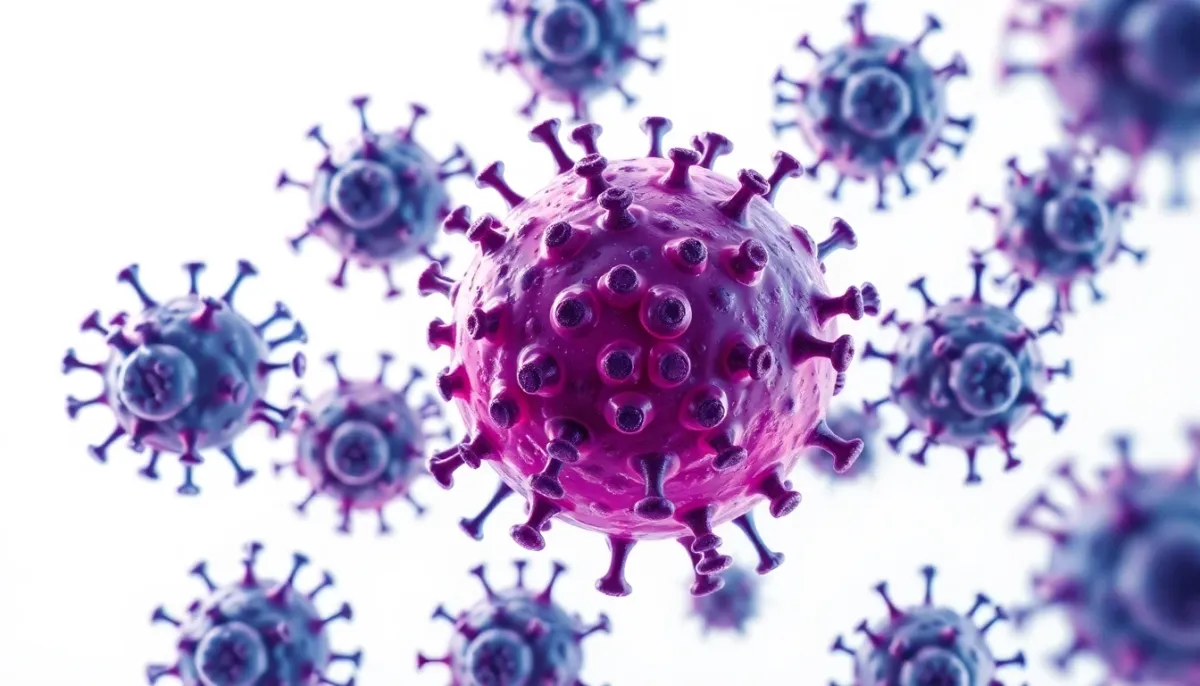
Tumor-Associated Macrophages: Cancer Microenvironment Role
Executive Summary
Tumor-associated macrophages (TAMs) represent a critical component of the cancer microenvironment, particularly in colorectal cancer, where they influence disease progression and treatment responses. Recent research using patient-derived organoids reveals that monocytes acquire tumor-specific IL1B programs upon encountering cancer cells, demonstrating the dynamic nature of immune cell adaptation. Understanding TAM heterogeneity and the cues driving their differentiation offers new therapeutic opportunities for oncology professionals and researchers developing targeted immunotherapy strategies.
Why Understanding the Tumor Microenvironment Matters
The tumor microenvironment (TME) functions as a complex ecosystem where cancer cells, immune cells, and stromal components interact continuously. Tumor-associated macrophages serve as master regulators within this environment, capable of both promoting tumor growth and mounting anti-tumor responses depending on the signals they receive.
In colorectal cancer (CRC), TAMs and infiltrating monocytes accumulate in substantial numbers, creating a dynamic immune landscape that can either suppress or enhance therapeutic efficacy. The heterogeneous phenotypes of these cells—ranging from pro-inflammatory M1-like macrophages to immunosuppressive M2-like variants—determine patient outcomes and treatment resistance patterns.
For medical researchers and oncology professionals, decoding the mechanisms that instruct TAM differentiation represents a critical frontier in cancer immunology. The ability to reprogram these cells or block their tumor-promoting functions could revolutionize treatment approaches for solid tumors.
The Complete Picture: How Monocytes Transform Into TAMs
When circulating monocytes encounter tumor tissue, they undergo remarkable phenotypic transformations. Recent studies using patient-derived organoids (PDOs) have illuminated this process with unprecedented clarity. Co-culture systems combining primary human monocytes with patient-derived colon cancer organoids demonstrate that monocytes rapidly acquire an IL1B-driven gene expression program.
This transformation occurs through several key mechanisms:
Direct Cell-Cell Interactions: Cancer cells communicate with monocytes through surface receptors and adhesion molecules, triggering intracellular signaling cascades that reshape gene expression profiles.
Soluble Factor Exchange: Tumor cells secrete cytokines, growth factors, and metabolites that instruct monocyte differentiation toward tumor-supportive phenotypes.
Metabolic Reprogramming: The oxygen-depleted, nutrient-stressed tumor environment forces infiltrating monocytes to adapt their metabolic machinery, fundamentally altering their functional capabilities .
Epigenetic Modifications: Sustained exposure to tumor-derived signals creates lasting epigenetic changes in TAMs, establishing stable pro-tumor programming that persists even after removal from the cancer environment.
The IL1B program specifically represents a pro-inflammatory signature that paradoxically can promote tumor progression through tissue remodeling, angiogenesis stimulation, and recruitment of additional immunosuppressive cells.
Step-by-Step: TAM Development in Colorectal Cancer
Understanding the sequential stages of TAM development provides critical insights for therapeutic intervention:
Stage 1: Monocyte Recruitment
Colorectal tumors secrete chemokines like CCL2 and CXCL12 that attract circulating monocytes to the tumor site. This recruitment intensifies as tumors grow, creating increasing infiltration density.
Stage 2: Initial Programming
Upon arrival, monocytes encounter a complex signaling milieu. Within hours, they begin expressing tumor-associated markers and modifying their surface receptor profiles. The IL1B gene activation occurs early in this process, establishing a foundational inflammatory program.
Stage 3: Phenotypic Polarization
Depending on local microenvironmental cues, differentiating TAMs adopt various phenotypes. Hypoxic regions tend to generate M2-like macrophages with immunosuppressive properties, while more oxygenated areas may maintain M1-like inflammatory characteristics .
Stage 4: Functional Specialization
Mature TAMs acquire specialized functions including:
- Angiogenesis promotion through VEGF secretion
- Extracellular matrix remodeling via metalloproteinase production
- T-cell suppression through checkpoint ligand expression
- Cancer stem cell niche maintenance
Stage 5: Sustained Adaptation
TAMs continuously respond to changing tumor conditions, demonstrating remarkable plasticity. This adaptability makes them both challenging therapeutic targets and promising candidates for reprogramming strategies.
Advanced Strategies: Leveraging TAM Biology for Therapeutic Benefit
Cutting-edge research has identified several approaches to exploit TAM biology:
TAM Depletion: Strategies using CSF1R inhibitors reduce TAM populations, though this approach risks eliminating anti-tumor macrophage subsets alongside pro-tumor variants.
TAM Reprogramming: Emerging therapies aim to convert immunosuppressive TAMs into tumor-fighting M1-like macrophages using TLR agonists, PI3Kγ inhibitors, or CD40 agonists.
Recruitment Blockade: Preventing monocyte infiltration by targeting CCL2/CCR2 or CXCL12/CXCR4 axes shows promise in preclinical models, though concerns about compensatory recruitment pathways remain.
Combination Immunotherapy: Pairing TAM-targeting agents with checkpoint inhibitors (anti-PD1, anti-CTLA4) may overcome treatment resistance mechanisms in immunologically "cold" tumors .
Patient-derived organoid systems provide powerful platforms for testing these approaches in personalized medicine contexts, allowing researchers to predict which patients might benefit most from TAM-directed therapies.
Common Pitfalls to Avoid
Researchers and clinicians working with TAM biology should be aware of several challenges:
Oversimplified M1/M2 Classification: The traditional dichotomy fails to capture TAM heterogeneity. Single-cell analyses reveal dozens of distinct TAM subpopulations with unique transcriptional profiles and functional characteristics.
Translational Gaps: Mouse model TAMs differ substantially from human TAMs in phenotype and function. Patient-derived systems provide more clinically relevant insights but present technical challenges.
Context Dependency: TAM functions vary dramatically across cancer types, tumor stages, and even between different regions within individual tumors. Generalized therapeutic approaches may fail due to this variability.
Compensatory Mechanisms: Targeting one TAM population or recruitment pathway often triggers compensatory responses that maintain overall immunosuppression through alternative mechanisms.
Temporal Dynamics: TAM phenotypes change throughout disease progression and in response to therapy. Snapshot analyses miss critical temporal evolution patterns that influence treatment outcomes.
How NutriCove Can Help
While NutriCove's primary services focus on health inspection preparation and franchise compliance auditing, the systematic documentation, quality control, and standardization principles that underpin these services parallel the rigorous approaches required in cancer research laboratories.
Research institutions studying tumor-associated macrophages require meticulous protocol standardization, comprehensive documentation systems, and quality assurance frameworks—competencies that translate across health-focused organizations. The checklist management, photo documentation, and tracking systems used in NutriCove's compliance solutions reflect the systematic thinking essential for reproducible scientific research .
Frequently Asked Questions
Q: What are tumor-associated macrophages and why are they important in cancer?
Tumor-associated macrophages are specialized immune cells that infiltrate tumors and play dual roles in cancer progression. They can both suppress tumor growth through inflammatory responses and promote cancer development by supporting angiogenesis, suppressing anti-tumor immunity, and remodeling the tissue environment to facilitate metastasis.
Q: How do monocytes become tumor-associated macrophages?
Circulating monocytes are recruited to tumors through chemokine gradients, then differentiate into TAMs upon exposure to tumor-derived signals including cytokines, metabolites, and direct cell contact. This transformation involves dramatic gene expression changes, metabolic reprogramming, and acquisition of tumor-specific functional programs like the IL1B signature observed in colorectal cancer.
Q: Can targeting TAMs improve cancer treatment outcomes?
Emerging evidence suggests TAM-targeting strategies hold significant therapeutic potential, particularly when combined with conventional treatments or checkpoint inhibitors. Approaches include depleting TAMs, blocking their recruitment, or reprogramming them toward anti-tumor phenotypes, though optimal strategies remain under investigation across different cancer types.
Q: What is the IL1B program in tumor-associated macrophages?
The IL1B program represents a specific gene expression signature characterized by elevated interleukin-1 beta production that monocytes acquire upon encountering colorectal cancer cells. This pro-inflammatory program paradoxically can promote tumor progression through tissue inflammation, recruitment of additional immune cells, and creation of a microenvironment conducive to cancer growth.
Resources for Further Learning
Researchers and clinicians seeking to deepen their understanding of tumor-associated macrophages should explore:
- Patient-derived organoid culture systems for modeling TAM-tumor interactions
- Single-cell RNA sequencing databases cataloging TAM heterogeneity across cancers
- Clinical trials investigating TAM-targeting therapeutics in combination regimens
- Immunohistochemistry protocols for identifying TAM subpopulations in tissue samples
- Computational tools for analyzing immune cell composition from bulk tumor transcriptomics
The rapidly evolving field of TAM biology continues to reveal new therapeutic opportunities, making ongoing education essential for oncology professionals developing next-generation cancer treatments.
Key Takeaways
- Tumor-associated macrophages represent critical regulators of cancer progression and therapeutic responses
- Monocytes acquire tumor-specific programs like IL1B expression upon encountering cancer cells
- TAM heterogeneity reflects complex microenvironmental cues that instruct diverse phenotypes
- Patient-derived organoid systems enable precise modeling of TAM-tumor interactions
- Therapeutic strategies targeting TAM depletion, reprogramming, or recruitment show promise
- Understanding temporal and spatial TAM dynamics improves treatment strategy development