Platform Ease of Use: Comparing Zapier and Tray for Automation
Discover the platform ease of use between Zapier and Tray. Learn how to empower your team with efficient automation solutions today!
Platform Ease of Use: Comparing Zapier and Tray for Automation
In today's rapidly evolving tech landscape, platform ease of use can significantly impact your business's efficiency and productivity. As enterprises increasingly turn to automation tools, understanding how different platforms support this goal is crucial. Two of the most talked-about platforms are Zapier and Tray, both of which offer unique advantages tailored to diverse user bases.
Key Details on Zapier and Tray
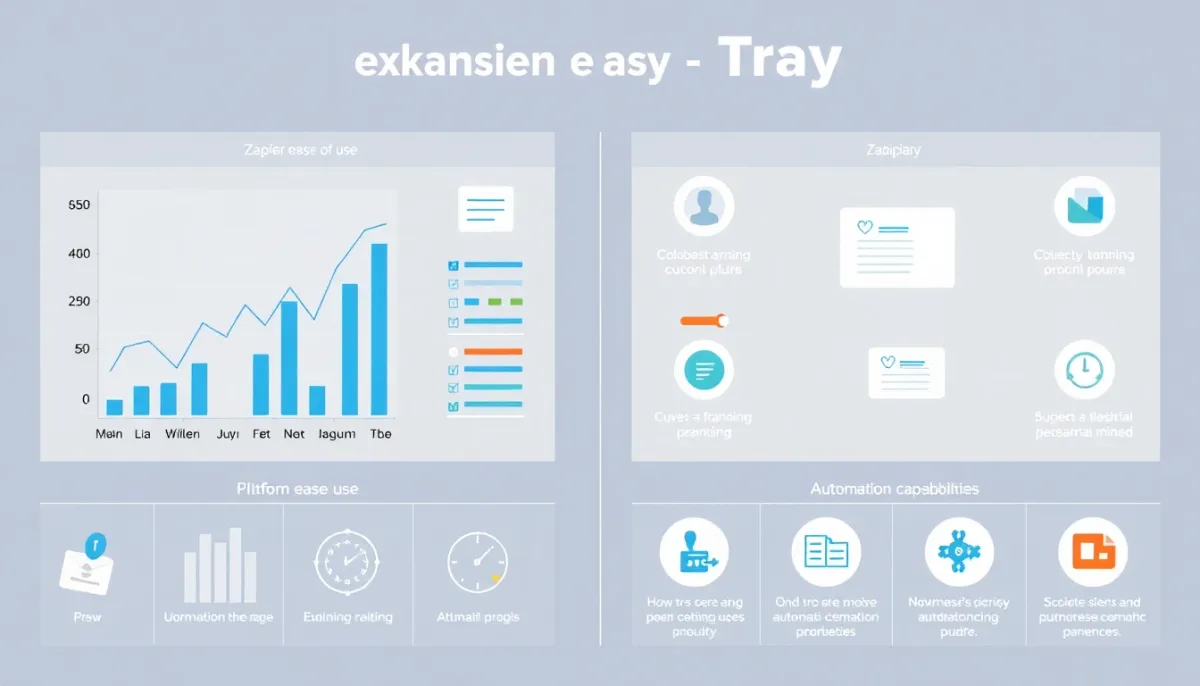
Zapier is renowned for its intuitive, no-code interface, allowing team members without technical backgrounds to create automated workflows quickly. Its integration capabilities extend to over 8,000 apps, making it a highly versatile choice for almost any business. In contrast, Tray is designed primarily for developers, which may limit its adoption in companies without dedicated IT resources. While Tray offers robust features for advanced users, its complexity can deter non-technical staff from fully utilizing its potential.
Industry Impact of Platform Ease of Use
Understanding the AI automation capabilities of these platforms is essential for enterprises seeking to optimize their processes. Zapier's user-friendly setup reduces implementation time, allowing businesses to harness automation within hours rather than the days or weeks often required by Tray. This can lead to faster ROI, a crucial consideration for businesses focused on cost-effectiveness.
The trade-off lies in the depth of customization and power. Tray permits more intricate automations, which could be advantageous for organizations with sophisticated needs. However, Zapier empowers a broader user base to initiate automations, fostering a culture of innovation and streamlining team collaboration.
What This Means for Your Business
Choosing a platform based on platform ease of use can determine your team’s willingness to adopt and innovate with automation tools. An accessible platform like Zapier can facilitate smooth transitions into automation for companies without heavy IT investments. On the other hand, if your organization has a dedicated tech team ready to leverage deeper functionalities, Tray might be the right fit.
NutriCove Take
For businesses looking to maximize efficiency through automation, selecting the right software platform is essential. NutriCove's AI automation services can streamline your processes, ensuring a smooth transition into a more organized and efficient operational framework. As you evaluate ease of use between platforms like Zapier and Tray, consider how NutriCove can support your automation journey.
FAQ
Q: What makes platform ease of use important? A: Platform ease of use is vital for ensuring that all employees can engage with automation tools, reducing reliance on specialized technical skills and fostering broader adoption throughout the organization.
Q: How does Zapier improve platform ease of use?
A: Zapier's no-code interface allows users to create workflows with simple drag-and-drop functionality, making it accessible for anyone in the organization, regardless of technical expertise.
Q: Can Tray be user-friendly?
A: While Tray is designed with powerful features that cater more to technical teams, its complexity can hinder ease of use for non-technical users. However, technical users can benefit from its advanced capabilities.
Q: Why is cost-effectiveness a consideration in platform ease of use?
A: A user-friendly platform like Zapier often reduces the costs associated with needing technical support and training, allowing organizations to save money while still empowering their teams to innovate.
Source: Zapier Blog