Medical Device Recall: FDA Alert on Dialysis Tubing Systems
Medical device recall alert: FDA issues warning on Prismaflex dialysis tubing systems. Learn compliance steps to protect patients. Act now.
Medical Device Recall: FDA Alert on Dialysis Tubing Systems
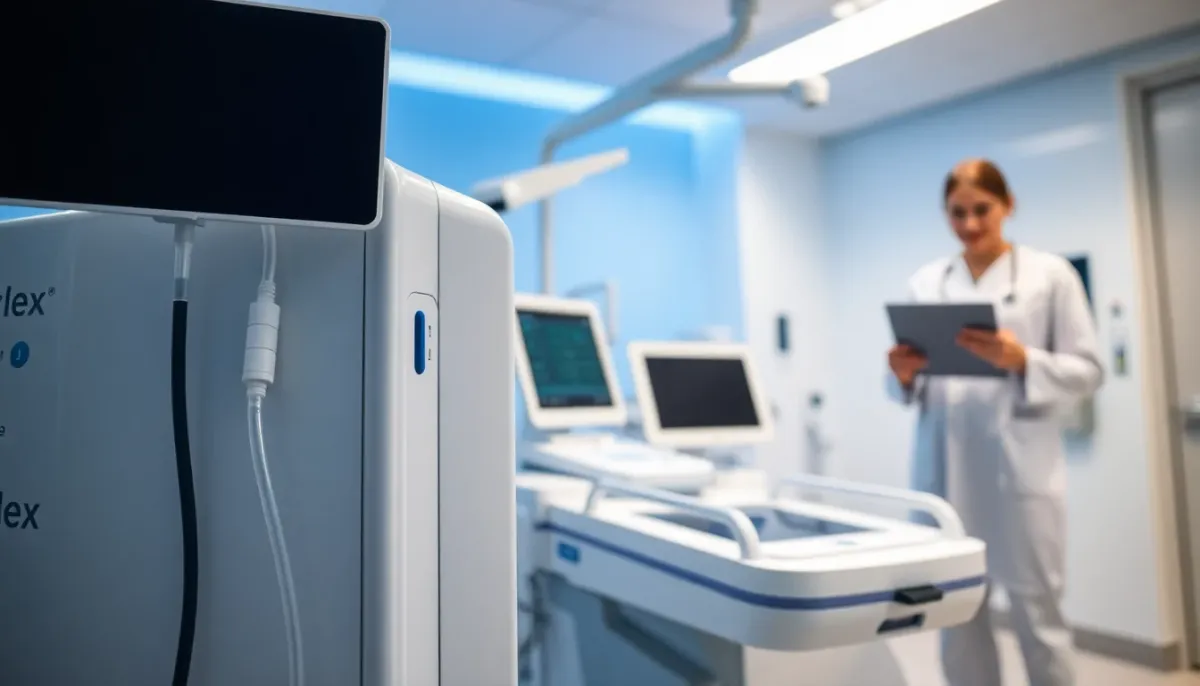
The FDA has issued a critical alert regarding a medical device recall affecting Prismaflex and Oxiris dialysis tubing systems, prompting immediate action from healthcare facilities nationwide. This early warning, announced on March 16, addresses a significant equipment malfunction risk involving the deaeration chamber in Prismaflex Control Units manufactured after mid-2024. Healthcare administrators and dialysis clinics must act swiftly to implement updated protocols and protect patient safety.
What You Need to Know About the FDA Alert
Vantive, the manufacturer of Prismaflex and Oxiris dialysis systems, has issued a correction affecting tubing sets produced after mid-2024. The core issue centers on the deaeration chamber—a critical component responsible for removing air bubbles from blood during dialysis treatment. When the chamber dislodges from its holder, it triggers "Air in Blood" alarms, potentially interrupting life-saving dialysis treatments.
The FDA alert represents a proactive measure to prevent patient harm before incidents escalate. While classified as an early alert rather than a full medical device recall, the situation requires immediate attention from all facilities operating affected equipment.
Affected Equipment
- Prismaflex Control Units (manufactured post mid-2024)
- Oxiris dialysis tubing sets (specific lot numbers)
- Associated deaeration chamber assemblies
Background & Context on Dialysis Equipment Safety
Dialysis equipment safety has become increasingly scrutinized as healthcare facilities rely on sophisticated medical devices to treat patients with kidney failure. The dialysis process requires precise control of blood flow, filtration, and air detection systems. Any malfunction in these critical systems can lead to serious patient complications, including air embolisms—a potentially fatal condition.
This medical device recall alert follows FDA protocols established under 21 CFR Part 806, which requires manufacturers to report corrections and removals that could present significant health risks. The early alert mechanism allows healthcare providers to take preventive action before the FDA completes its full investigation and determination.
Detailed Analysis of the Equipment Malfunction Risk
The Technical Issue
The deaeration chamber serves as a critical safety component in dialysis systems. Its primary function is to detect and remove air bubbles from the blood circuit before they can enter the patient's bloodstream. When the chamber becomes dislodged:
- False Alarms: The system triggers "Air in Blood" warnings even when no air is present
- Treatment Interruptions: Dialysis procedures halt unexpectedly, extending treatment times
- Potential Safety Gaps: In rare cases, actual air presence may not be detected if the chamber malfunctions
- Staff Burden: Clinical teams must repeatedly reset equipment and verify safety
Root Cause
According to Vantive's correction notice, manufacturing changes implemented in mid-2024 altered the deaeration chamber's securing mechanism. The modified design may not maintain adequate retention force under normal operating conditions, particularly during:
- Equipment transport within facilities
- Routine cleaning and maintenance procedures
- Extended dialysis sessions with multiple patient treatments
- High-flow dialysis protocols
Patient Safety Implications
While no patient deaths have been directly attributed to this issue, the equipment malfunction risk creates several concerns:
- Treatment Delays: Patients may experience extended time on dialysis due to false alarms
- Clinical Confusion: Staff may become desensitized to alarms, potentially ignoring legitimate warnings
- Resource Strain: Facilities must divert staff to troubleshoot and reset equipment
- Psychological Impact: Patients may experience anxiety when alarms sound repeatedly
Compliance Checklist for Healthcare Facilities
Healthcare administrators must implement immediate action steps to address this medical device recall alert:
Immediate Actions (Within 24 Hours)
- [ ] Identify all Prismaflex and Oxiris units manufactured after mid-2024
- [ ] Review equipment serial numbers against affected lot numbers
- [ ] Print and distribute FDA alert to all dialysis staff
- [ ] Conduct emergency staff briefing on the deaeration chamber issue
- [ ] Post visual warnings on affected equipment
Short-Term Actions (Within 1 Week)
- [ ] Implement updated instructions from Vantive for chamber inspection
- [ ] Train all staff on proper deaeration chamber verification procedures
- [ ] Create pre-treatment checklist including chamber security check
- [ ] Document all inspections and corrective actions
- [ ] Report any chamber dislodgement incidents to FDA MedWatch
- [ ] Update standard operating procedures (SOPs)
- [ ] Schedule additional maintenance checks
Long-Term Actions (Ongoing)
- [ ] Monitor FDA communications for updated guidance
- [ ] Track manufacturer correspondence regarding potential equipment replacement
- [ ] Review and update risk management protocols
- [ ] Conduct regular competency assessments for staff
- [ ] Maintain comprehensive documentation for regulatory inspections
- [ ] Evaluate alternative equipment options if issues persist
- [ ] Participate in manufacturer user feedback programs
How NutriCove Can Help
Managing medical device recall alerts and FDA compliance requires robust systems for documentation, staff coordination, and deadline tracking. NutriCove's compliance management platform provides healthcare facilities with essential tools to respond effectively to safety alerts:
Health Inspection Preparation
Our health inspection preparation service enables healthcare facilities to:
- Checklist Management: Create and deploy equipment inspection checklists instantly across all staff
- Staff Assignments: Assign specific team members to verify deaeration chamber security on designated units
- Documentation Organization: Centralize all FDA alerts, manufacturer notices, and compliance responses
- Deadline Tracking: Set automatic reminders for inspection schedules and training requirements
- Audit Trail: Maintain complete records of all actions taken in response to medical device alerts
When regulatory inspectors review your facility's response to the medical device recall alert, NutriCove provides immediate access to comprehensive documentation proving compliance and patient safety prioritization.
Real-Time Compliance Monitoring
NutriCove's platform allows quality assurance teams to:
- Monitor completion rates for equipment inspections in real-time
- Identify non-compliant units or missed inspections immediately
- Generate compliance reports for leadership and regulatory submissions
- Track corrective action implementation across multiple locations
- Maintain regulatory-ready documentation for FDA inspections
FAQ: Medical Device Recall and Dialysis Equipment Safety
Since the FDA did not provide specific "People Also Ask" questions in the source data, here are essential FAQs based on common healthcare compliance concerns:
What is the difference between an FDA alert and a full medical device recall?
An FDA alert is an early warning that notifies healthcare providers about potential safety issues before a formal recall classification is determined. A full medical device recall is a formal action to address a violation of FDA law and includes Class I (serious risk), Class II (moderate risk), or Class III (minor risk) designations. Early alerts allow facilities to take preventive action while the FDA investigates.
Are healthcare facilities required to report medical device malfunctions?
Yes, healthcare facilities are required to report deaths, serious injuries, or malfunctions of medical devices to the FDA through MedWatch (Form 3500A) under the Medical Device Reporting regulation. Facilities must report within specific timeframes depending on the severity of the incident. This applies to the deaeration chamber issue if it results in patient harm or significant safety events.
How often should dialysis equipment undergo safety inspections?
Dialysis equipment should undergo daily pre-treatment safety checks, weekly comprehensive inspections, and monthly preventive maintenance according to manufacturer specifications and facility protocols. Following this FDA alert, facilities should implement additional deaeration chamber checks before each patient treatment until the issue is fully resolved.
What documentation is required when responding to FDA medical device alerts?
Facilities must document alert receipt and distribution, staff notification and training, equipment identification and inspection, corrective actions taken, incident reports (if applicable), and ongoing monitoring activities. This documentation must be readily available for FDA inspections and internal quality reviews.
Who is responsible for medical device recall compliance in healthcare facilities?
Ultimate responsibility rests with the facility's leadership, but practical implementation typically involves the biomedical engineering department, clinical engineering teams, quality assurance personnel, risk management, and frontline clinical staff. A coordinated response with clear role assignments ensures comprehensive compliance.
Resources for Medical Device Safety Compliance
FDA Resources
- FDA MedWatch: Report adverse events and device malfunctions
- Medical Device Recalls Database: Search historical recall information
- FDA Safety Communications: Subscribe to device-specific alerts
- Manufacturer and User Facility Device Experience (MAUDE): Review reported incidents
Professional Organizations
- ECRI Institute: Independent medical device safety research and alerts
- American Society of Nephrology: Dialysis safety guidelines
- Association for the Advancement of Medical Instrumentation (AAMI): Equipment standards
- Healthcare Technology Foundation: Clinical engineering resources
Regulatory Guidance
- 21 CFR Part 806: Medical Device Correction and Removal Reporting
- 21 CFR Part 803: Medical Device Reporting
- FDA Quality System Regulation (21 CFR Part 820)
- Centers for Medicare & Medicaid Services (CMS) Conditions of Participation
Conclusion: Proactive Response Protects Patients
This medical device recall alert serves as a critical reminder that equipment safety requires constant vigilance, systematic inspection protocols, and immediate response to manufacturer and FDA communications. Healthcare facilities using Prismaflex and Oxiris dialysis systems must act now to implement updated procedures, train staff thoroughly, and document all compliance activities.
By leveraging compliance management tools like NutriCove's health inspection preparation platform, healthcare organizations can transform reactive crisis management into proactive safety systems that protect patients, satisfy regulatory requirements, and maintain operational excellence even when unexpected equipment issues arise.
The dialysis equipment safety challenge highlights the broader need for robust medical device monitoring systems across all healthcare settings—a need that will only grow as medical technology becomes increasingly sophisticated and interconnected.
Source: beckershospitalreview.com