Iran Conflict Impact: Rising Oil Prices and Logistics Challenges
Explore the iran conflict impact on fuel prices and global shipping. Stay informed on rising costs and how to navigate these challenges!
Iran Conflict Impact: Rising Oil Prices and Logistics Challenges
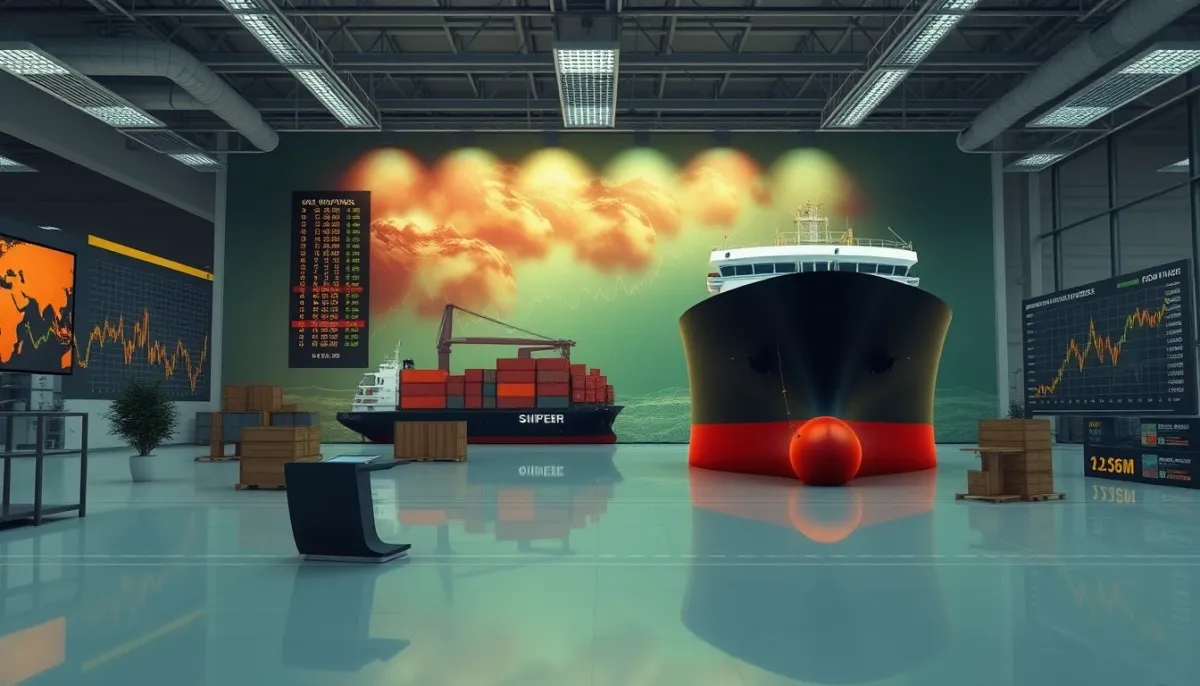
As the Iran conflict continues to unfold, its impact is being felt across the globe, particularly in the oil markets. Increasing tensions in the region have led to crude oil price volatility, causing diesel prices to surge and significantly affecting global shipping routes. Professionals in logistics and transportation must pay attention to these developments to navigate the rising costs effectively.
Key Details
The ripple effect of the Iran conflict can be seen in fuel prices, which have been climbing throughout the year. Shipping routes have faced immediate pressures from geopolitical tensions, creating an unstable environment for transport logistics. With a focus on regional disruptions, experts suggest that businesses should brace for unexpected fluctuations in supply chain operations.
Impact on Fuel Prices and Supply Chain Management
Delving deeper into the crude oil price volatility, the conflict has prompted several international energy agencies to issue warnings on projected oil prices. As the supply of oil tightens due to geopolitical instabilities, transportation economics becomes increasingly complex. Companies that rely heavily on fuel supplies may need to prepare for budget reallocations and strategic shifts to accommodate potential spikes in diesel prices.
What This Means for Your Business
The implications of the conflict are threefold: rising operational costs, disrupted logistics schedules, and the need for adaptive strategies. Business leaders should consider options such as diversifying suppliers, renegotiating fuel contracts, and investing in fuel-efficient transportation methods. Preparing for these changes can ensure consistent operations despite the uncertain external environment.
NutriCove Take
In light of the rising oil prices and logistics challenges stemming from the Iran conflict, businesses can benefit from NutriCove's AI automation solutions to optimize their operational efficiency. By automating routine processes, companies can effectively manage costs and streamline their logistics operations in a rapidly changing environment. This proactive approach helps ensure compliance while adapting to market fluctuations.
FAQ
What are the effects of the Iran conflict on oil prices?
The Iran conflict has resulted in significant disruptions to the global oil supply, causing prices to rise due to increased uncertainty and decreased availability in the markets. This has a cascading effect on various industries reliant on fuel.
How does geopolitical instability affect global shipping?
Geopolitical instability, such as that stemming from the Iran conflict, causes shipping routes to become less predictable. Increased insurance costs and rerouting to avoid conflict zones lead to higher shipping costs and longer delivery times.
What can businesses do to prepare for rising fuel costs?
Businesses can prepare for rising fuel costs by auditing current fuel suppliers, exploring alternative logistics solutions, and investing in fuel-efficient transport options. Strategically planning budgets and fostering flexibility within operations can also help the organization cope with fluctuations in fuel prices.
Source: supplychaindive.com