Enhancer Reprogramming in Cancer: New Treatment Insights
Enhancer reprogramming in cancer reveals new drug targets for blood cancers like Ph+B-ALL. Discover breakthrough research and precision oncology strategies
Enhancer Reprogramming in Cancer: New Treatment Insights
Executive Summary
The landscape of cancer treatment is being transformed by our understanding of enhancer reprogramming in cancer. Recent groundbreaking research into Philadelphia chromosome-positive B-cell acute lymphoblastic leukemia (Ph+B-ALL) reveals that even cancers not driven by transcription factor mutations undergo profound enhancer reorganization. This discovery demonstrates that BCR::ABL1-induced enhancer changes create exploitable vulnerabilities, making these cancer cells unexpectedly hypersensitive to enhancer-targeting drugs—a finding that could revolutionize precision oncology approaches for blood cancers and beyond.
Why This Matters: The Connection Between BCR::ABL1 Genetic Mutation and Treatment
For decades, oncologists have understood that cancer arises from both genomic lesions and malignancy-promoting transcriptional programs. In blood cancers, these two factors are intimately interconnected, as genomic lesions frequently affect genes encoding transcription factors (TFs). However, the role of enhancer reprogramming in cancer extends far beyond these direct TF-related mutations.
Transcription factors function primarily through enhancers—regulatory DNA sequences that control when and where genes are expressed. When enhancer regulation goes awry, it becomes a driver of cancer initiation and progression. This understanding has propelled enhancer-targeting drugs into clinical trials for several advanced hematologic malignancies.
The critical question researchers have grappled with is: What happens in cancers not primarily driven by transcription factor-related lesions? Ph+B-ALL, characterized by the BCR::ABL1 fusion protein resulting from the Philadelphia chromosome translocation, represents exactly this scenario. This genetic abnormality creates a constitutively active tyrosine kinase rather than directly disrupting transcription factors.
The Complete Picture: How Enhancers Become Reprogrammed
Understanding Enhancer Biology
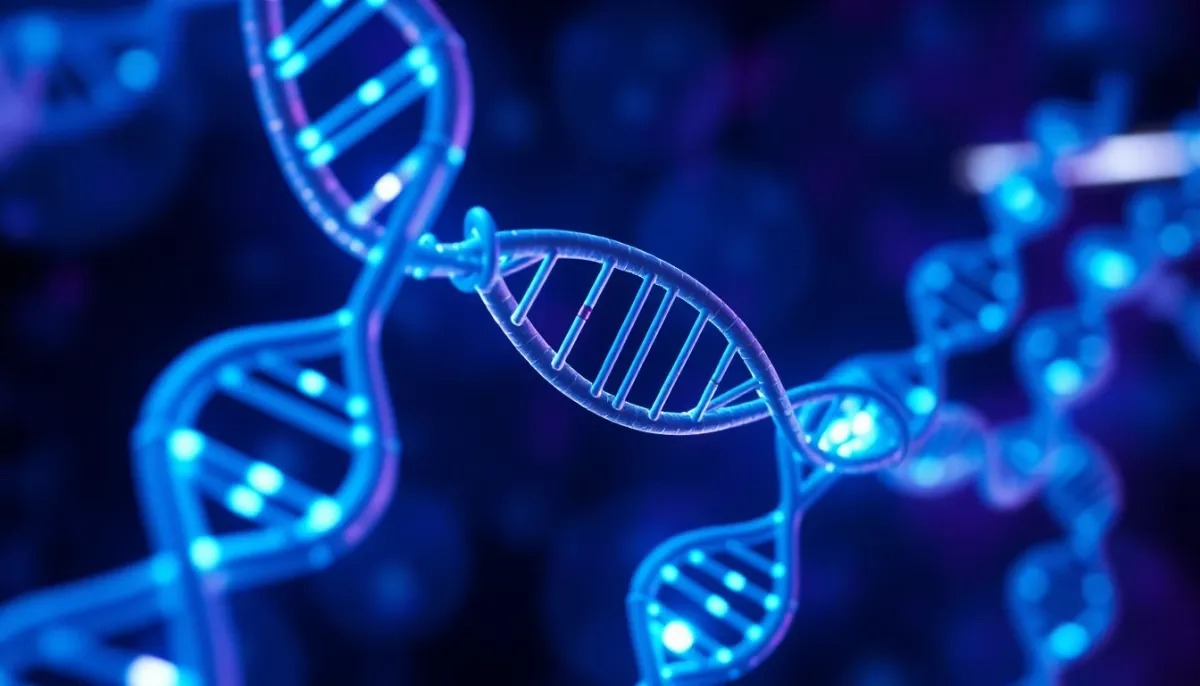
Enhancers are non-coding DNA sequences that act as regulatory switches, controlling gene expression by recruiting transcription factors and chromatin remodeling complexes. In healthy cells, enhancers maintain precise control over cellular identity and function. In cancer, this regulation becomes corrupted.
The process of enhancer reprogramming in cancer involves:
- Aberrant enhancer activation: Previously silent enhancers become inappropriately active
- Super-enhancer formation: Clusters of enhancers form at oncogenes, driving their overexpression
- Enhancer hijacking: Structural variations bring enhancers near oncogenes they don't normally regulate
- Loss of tumor-suppressor enhancers: Regulatory elements controlling protective genes become silenced
The BCR::ABL1 Paradigm Shift
The BCR::ABL1 fusion represents one of the most studied oncogenic drivers in hematologic malignancies. Found in chronic myeloid leukemia (CML) and approximately 25% of adult acute lymphoblastic leukemia cases, this genetic abnormality creates a fusion protein with unregulated tyrosine kinase activity.
What researchers have now discovered is that BCR::ABL1 doesn't just activate signaling pathways—it fundamentally rewires the enhancer landscape of affected cells. This reprogramming occurs through multiple mechanisms:
- Altered transcription factor activity: The fusion protein modifies the activity and localization of key transcription factors
- Chromatin accessibility changes: Kinase signaling cascades alter chromatin structure, making previously inaccessible enhancers available
- Epigenetic modifications: Changes in histone modifications and DNA methylation reshape the regulatory architecture
Step-by-Step Implementation: Precision Oncology Strategies for Targeting Reprogrammed Enhancers
Phase 1: Mapping the Enhancer Landscape
Precision treatment approaches begin with comprehensive enhancer profiling:
Chromatin Immunoprecipitation Sequencing (ChIP-seq): This technique identifies active enhancers by detecting histone modifications characteristic of regulatory elements, particularly H3K27ac (histone H3 lysine 27 acetylation).
ATAC-seq and DNase Hypersensitivity: These methods map chromatin accessibility, revealing which enhancers are actively engaged with transcription factors.
Hi-C and Chromosome Conformation Capture: These approaches identify three-dimensional interactions between enhancers and their target genes, critical for understanding functional relationships.
Phase 2: Identifying Therapeutic Vulnerabilities
Once the reprogrammed enhancer landscape is characterized, researchers can identify dependencies:
- Super-enhancer identification: Cancer cells often become "addicted" to super-enhancers driving oncogene expression
- Master transcription factor mapping: Determining which TFs are essential for maintaining the malignant enhancer program
- Druggable target validation: Confirming that disrupting specific enhancer components kills cancer cells while sparing normal cells
Phase 3: Deploying Enhancer-Targeting Therapeutics
Several classes of drugs can disrupt reprogrammed enhancers:
BET Bromodomain Inhibitors: Compounds like JQ1 and OTX015 prevent bromodomain-containing proteins from reading histone acetylation marks, effectively shutting down enhancer function.
CDK7/CDK9 Inhibitors: These drugs block cyclin-dependent kinases essential for transcriptional elongation at enhancer-driven genes.
Menin Inhibitors: For cancers with MLL-rearrangements, menin inhibitors disrupt the protein complex that maintains aberrant enhancers.
P300/CBP Inhibitors: These block the acetyltransferases that create the histone modifications defining active enhancers.
Advanced Strategies: Combination Approaches and Resistance Management
Combining Kinase and Enhancer Inhibition
For BCR::ABL1-positive leukemias, the most promising approach combines traditional tyrosine kinase inhibitors (TKIs) with enhancer-targeting drugs. This dual strategy addresses both the initiating oncogenic signal and the reprogrammed transcriptional program it creates.
Research demonstrates that Ph+B-ALL cells treated with TKIs alone often develop resistance through:
- BCR::ABL1 kinase domain mutations
- Activation of alternative signaling pathways
- Upregulation of drug efflux pumps
Adding enhancer inhibitors creates synthetic lethality—attacking cancer cells through multiple independent mechanisms simultaneously reduces the probability of resistance emergence.
Personalized Enhancer Profiling
The future of precision oncology lies in patient-specific enhancer mapping. By profiling the unique enhancer landscape of individual tumors, clinicians can identify:
- Which enhancer-targeting drugs are most likely to be effective
- Biomarkers predicting treatment response
- Mechanisms of resistance before they become clinically apparent
Epigenetic Priming Strategies
Emerging research suggests that sequential treatment approaches may enhance efficacy. Epigenetic "priming" with drugs like DNA methyltransferase inhibitors can reshape the enhancer landscape, making cells more vulnerable to subsequent enhancer-targeting therapies.
Common Pitfalls to Avoid in Enhancer-Based Cancer Research
Oversimplifying Enhancer-Gene Relationships
A common mistake is assuming that the nearest gene is an enhancer's target. Enhancers can regulate genes hundreds of kilobases away while skipping over intervening genes entirely. Chromosome conformation capture techniques are essential for confirming functional relationships.
Ignoring Cell-State Dependencies
Enhancer activity is highly context-dependent. An enhancer critical for cancer cell survival in one microenvironment may be dispensable in another. In vitro findings must be validated in physiologically relevant models, including patient-derived xenografts and organoids.
Neglecting Normal Tissue Toxicity
Many enhancer-targeting drugs have broad effects on transcription. Therapeutic windows exist because cancer cells often show greater dependency on specific enhancers, but normal tissues—particularly those with high proliferation rates like bone marrow and intestinal epithelium—can experience significant toxicity.
Underestimating Compensatory Mechanisms
Cancer cells demonstrate remarkable plasticity. When one enhancer is inhibited, cells may activate alternative enhancers or shift to entirely different transcriptional programs. Comprehensive monitoring for adaptive resistance mechanisms is essential.
Inadequate Biomarker Development
Without robust biomarkers, identifying which patients will benefit from enhancer-targeting drugs becomes guesswork. Investment in companion diagnostics must parallel drug development efforts.
How NutriCove Can Help: Implementing Quality Systems in Research Settings
While enhancer reprogramming research occurs primarily in academic and pharmaceutical laboratories, maintaining rigorous quality control and compliance standards is essential for translating discoveries into clinical applications.
Health Inspection Preparation: Research facilities conducting translational work must meet stringent regulatory standards. NutriCove's health inspection preparation services provide checklist management, staff assignments, documentation organization, and deadline tracking—ensuring laboratories maintain compliance with Good Laboratory Practice (GLP) standards and institutional biosafety requirements.
Franchise Compliance Auditing: For multi-site research collaborations and pharmaceutical companies with distributed laboratory networks, maintaining consistent standards across facilities is critical. NutriCove's compliance auditing tools offer checklist automation, photo documentation, scoring systems, remediation tracking, and brand standards enforcement—ensuring every site follows identical protocols for sample processing, data generation, and quality control.
These systems are particularly valuable when preparing for FDA submissions, institutional review board audits, and publication of clinical trial results where data integrity and procedural compliance face intense scrutiny.
Frequently Asked Questions
What is enhancer reprogramming and why does it matter in cancer?
Enhancer reprogramming refers to the widespread reorganization of gene regulatory elements called enhancers that occurs during cancer development. These changes allow cancer cells to activate oncogenes, silence tumor suppressors, and maintain malignant characteristics. Understanding this reprogramming reveals new therapeutic vulnerabilities, as cancer cells often become dependent on their altered enhancer landscapes for survival.
How do BCR::ABL1 mutations affect transcriptional programs?
BCR::ABL1 creates a constitutively active tyrosine kinase that triggers signaling cascades affecting transcription factor activity, chromatin accessibility, and epigenetic modifications. This cascade fundamentally rewires the enhancer landscape, activating leukemia-promoting genes and silencing differentiation programs. The result is a self-reinforcing transcriptional program that maintains the cancer state independently of the originating genetic lesion.
What are enhancer-targeting drugs and how do they work?
Enhancer-targeting drugs disrupt the molecular machinery that makes enhancers functional. BET inhibitors prevent proteins from reading enhancer histone marks, CDK inhibitors block transcriptional elongation, and HAT inhibitors prevent the acetylation that marks active enhancers. By disrupting enhancer function, these drugs silence the oncogenic transcriptional programs driving cancer cell survival and proliferation.
Why are Ph+B-ALL cells particularly sensitive to enhancer inhibition?
Research shows that BCR::ABL1-driven enhancer reprogramming creates extensive dependencies on specific transcriptional regulators and enhancer complexes. Ph+B-ALL cells become "addicted" to their reprogrammed enhancer landscape, making them hypersensitive to drugs that disrupt enhancer function—sometimes even more sensitive than cancers driven by direct transcription factor mutations.
What is the future of precision oncology for blood cancers?
The future involves patient-specific enhancer profiling to identify individual therapeutic vulnerabilities, combination therapies targeting both oncogenic drivers and reprogrammed enhancers, real-time monitoring of enhancer landscapes to detect emerging resistance, and development of more selective enhancer-targeting drugs with improved therapeutic windows. Artificial intelligence will increasingly help interpret complex enhancer data to guide treatment decisions.
Resources and Further Reading
Scientific Literature
- Primary research on BCR::ABL1-induced enhancer changes in Ph+B-ALL
- Super-enhancer biology and cancer dependency studies
- Clinical trial results for BET inhibitors in hematologic malignancies
- Mechanisms of resistance to enhancer-targeting therapies
Clinical Resources
- ClinicalTrials.gov listings for enhancer-targeting drugs
- National Comprehensive Cancer Network (NCCN) guidelines for Ph+B-ALL
- Precision oncology tumor boards and enhancer profiling services
Technical Methods
- Protocols for ChIP-seq, ATAC-seq, and Hi-C enhancer mapping
- Bioinformatic pipelines for enhancer identification and analysis
- CRISPR-based enhancer validation techniques
Key Takeaways
Enhancer reprogramming in cancer represents a fundamental mechanism of malignancy that extends beyond direct transcription factor mutations. The BCR::ABL1 paradigm demonstrates that kinase-driven cancers undergo extensive enhancer reorganization, creating therapeutic vulnerabilities exploitable with enhancer-targeting drugs. Precision oncology strategies combining traditional targeted therapies with enhancer inhibition show remarkable promise for treating blood cancers, with implications extending to solid tumors. Patient-specific enhancer profiling will increasingly guide treatment selection, while rigorous quality systems ensure research reproducibility and regulatory compliance. The convergence of genomic medicine, transcriptional biology, and precision therapeutics is transforming our approach to cancer treatment—one enhancer at a time.
Source: pubmed.ncbi.nlm.nih.gov