Dental Trauma Management: Essential Guide for Practitioners
Master dental trauma management with evidence-based protocols, compliance checklists, and emergency care guidelines. Streamline your practice today.
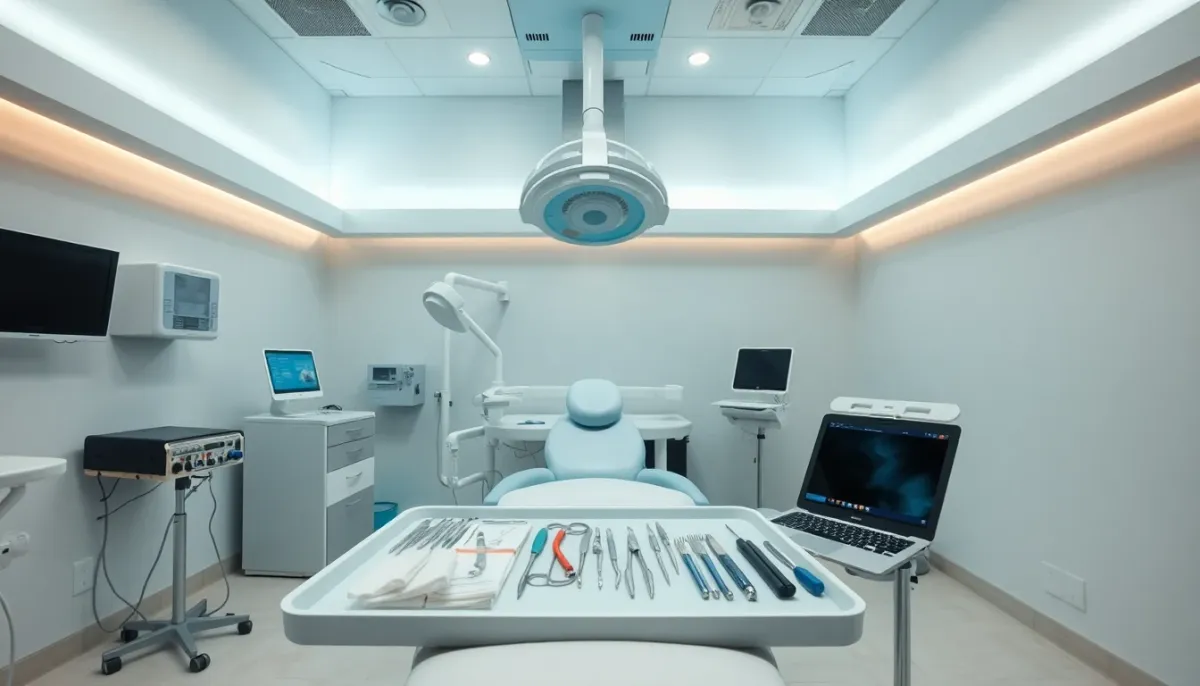
Dental Trauma Management: Essential Guide for Practitioners
Executive Summary
Since April 2025, dental professionals have access to enhanced dental trauma management resources through the Dutch Dental Trauma Guide and KIMO guideline. These comprehensive frameworks provide step-by-step protocols for diagnosis, treatment, and follow-up care while establishing organizational standards for dental emergency services. This guide explores implementation strategies, compliance requirements, and operational best practices to ensure your practice delivers optimal trauma care.
What You Need to Know About Dental Emergency Care Protocols
Effective dental trauma management requires both clinical expertise and organizational readiness. The recently released framework consists of two interrelated components designed to support oral healthcare professionals:
The Dutch-language Online Dental Trauma Guide serves as an interactive clinical decision-support tool, guiding practitioners through:
- Initial trauma assessment and diagnosis
- Evidence-based treatment protocols
- Structured follow-up care pathways
- Documentation requirements
The KIMO Dental Trauma Guideline addresses the organizational infrastructure necessary for emergency dental care, including:
- Emergency care service organization
- Staff training and competency requirements
- Equipment and supply management
- Quality assurance protocols
These resources are supplemented by practical tools including splinting instructions, standardized patient medical history forms, and comprehensive documentation templates .
Background & Context: The Evolution of Dental Trauma Standards
Dental trauma represents a significant portion of emergency dental visits, affecting patients across all age demographics. Historically, inconsistent treatment approaches and fragmented care pathways led to suboptimal outcomes and increased liability exposure for practices.
The development of standardized dental trauma guidelines addresses critical gaps:
Clinical Variability: Previously, treatment decisions varied significantly between practitioners, leading to inconsistent patient outcomes and potential standard-of-care concerns.
Documentation Gaps: Inadequate trauma documentation created compliance risks and complicated follow-up care coordination .
Emergency Preparedness: Many practices lacked formalized emergency protocols, creating response delays during time-sensitive trauma cases.
The new framework establishes evidence-based standards that align clinical practice with regulatory expectations while improving patient outcomes.
Comprehensive Analysis: Implementing Dental Trauma Protocols in Your Practice
Understanding the Dual-Component Framework
Successful dental trauma management requires integration of both clinical and organizational elements:
Clinical Decision Support: The online guide functions as a point-of-care resource, enabling practitioners to:
- Rapidly classify trauma type and severity
- Access treatment algorithms specific to injury patterns
- Document findings using standardized terminology
- Schedule appropriate follow-up intervals
Organizational Infrastructure: The KIMO guideline establishes practice-level requirements:
- Designated emergency care protocols
- Staff role assignments and training matrices
- Emergency supply inventories and equipment checks
- Patient communication procedures
Key Implementation Considerations
Staff Training Requirements: All clinical and administrative staff should receive orientation on trauma protocols. This includes reception staff who may field emergency calls, dental assistants who prepare trauma rooms, and practitioners who deliver care.
Documentation Standardization: Implement the provided patient medical history forms and treatment documentation templates to ensure comprehensive records that satisfy regulatory requirements and support continuity of care .
Equipment and Supply Readiness: Maintain designated trauma kits with splinting materials, appropriate medications, and specialized instruments. Establish regular inventory checks and expiration date monitoring.
Quality Assurance Integration: Incorporate trauma case reviews into your quality improvement program, analyzing outcomes and identifying opportunities for protocol refinement.
Compliance Checklist: Dental Trauma Management Readiness
Use this comprehensive checklist to assess and maintain your practice's trauma management capabilities:
Clinical Protocols
- [ ] All practitioners have access to the online Dental Trauma Guide
- [ ] Treatment algorithms are readily available in emergency care areas
- [ ] Standardized assessment forms are integrated into patient records
- [ ] Follow-up scheduling protocols align with guideline recommendations
- [ ] Splinting techniques meet current evidence-based standards
Organizational Infrastructure
- [ ] Written emergency care policy aligned with KIMO guideline
- [ ] Staff roles and responsibilities clearly defined and documented
- [ ] Emergency contact protocols established and tested
- [ ] After-hours coverage arrangements formalized
- [ ] Patient communication materials prepared and accessible
Training and Competency
- [ ] Initial trauma management training completed by all clinical staff
- [ ] Annual competency assessments scheduled and documented
- [ ] New staff orientation includes trauma protocol training
- [ ] Continuing education credits maintained for emergency care
Equipment and Supplies
- [ ] Trauma emergency kits stocked and location-identified
- [ ] Splinting materials inventory adequate and current
- [ ] Monthly equipment checks documented
- [ ] Supply expiration dates monitored and restocking automated
Documentation and Records
- [ ] Patient medical history forms implemented
- [ ] Treatment documentation templates in use
- [ ] Photo documentation protocols established
- [ ] Record retention policies comply with regulatory requirements
- [ ] Quality assurance case reviews scheduled quarterly
Compliance Monitoring
- [ ] Guideline updates monitored and implemented
- [ ] Audit schedule established for trauma cases
- [ ] Adverse event reporting procedures active
- [ ] Regulatory requirement tracking current
How NutriCove Can Help Streamline Your Dental Trauma Compliance
Implementing comprehensive dental trauma management protocols requires sophisticated organizational systems and consistent monitoring. NutriCove's specialized compliance solutions address the unique challenges of healthcare emergency preparedness:
Health Inspection Preparation: Our platform enables practices to:
- Maintain trauma protocol checklists with automated reminders
- Assign staff responsibilities for equipment checks and training
- Organize all trauma-related documentation in a centralized, audit-ready system
- Track compliance deadlines for training renewals and equipment certifications
- Generate inspection-ready reports demonstrating adherence to KIMO guideline requirements
This ensures your practice maintains continuous readiness rather than scrambling before inspections .
Multi-Location Oversight: For group practices and dental service organizations managing multiple locations:
- Standardize trauma protocols across all sites through checklist automation
- Capture photo documentation of trauma kits and equipment setups
- Implement consistent scoring for compliance audits
- Track remediation of identified gaps with accountability measures
- Enforce brand standards for emergency care delivery
This comprehensive approach ensures every location maintains equivalent emergency care capabilities regardless of staffing variations .
Frequently Asked Questions
Q: How often should dental trauma protocols be reviewed and updated?
A: Review your dental trauma management protocols at minimum annually, or whenever guideline updates are published. Additionally, conduct protocol reviews following any adverse event or near-miss incident to identify improvement opportunities. Staff competency assessments should occur annually, with more frequent training for new team members or when protocols change.
Q: What documentation is required for dental trauma cases?
A: Comprehensive trauma documentation should include: detailed patient medical history using standardized forms, initial assessment findings with trauma classification, photographic documentation of injuries, treatment provided with specific materials and techniques used, post-treatment instructions given to patients, and scheduled follow-up intervals. Maintain all documentation for the period required by your jurisdiction's record retention regulations.
Q: Are all dental practices required to provide emergency trauma care?
A: Requirements vary by jurisdiction and practice type. The KIMO guideline provides organizational frameworks for practices that offer emergency services. Even practices not providing comprehensive trauma care should maintain basic emergency protocols, appropriate referral relationships, and staff training to manage initial stabilization and patient triage. Consult your regulatory authority and professional liability carrier regarding specific obligations.
Q: How can practices ensure staff maintain trauma management competency?
A: Implement a structured competency program including: initial comprehensive training on trauma protocols, annual skills assessments with hands-on evaluation, regular case-based discussions reviewing actual trauma cases, simulation exercises practicing emergency scenarios, and continuing education requirements specific to dental trauma. Document all training activities and maintain individual staff competency files.
Essential Resources for Dental Trauma Management
Primary Guidelines and Tools:
- Dutch Dental Trauma Guide (online clinical decision support)
- KIMO Dental Trauma Guideline (organizational standards)
- Standardized patient medical history forms
- Splinting technique instructions and videos
- Treatment documentation templates
Continuing Education:
- Professional association trauma management courses
- Emergency care simulation training programs
- Webinars on guideline updates and best practices
- Peer-reviewed journals publishing trauma research
Regulatory Resources:
- Local dental board emergency care requirements
- Healthcare facility licensing standards
- Professional liability guidelines for trauma cases
- Record retention and documentation regulations
Implementation Support:
- NutriCove compliance management platform
- Practice management consultants specializing in emergency protocols
- Dental association practice resources and toolkits
- Quality improvement collaboratives focused on trauma outcomes
By integrating evidence-based dental trauma management protocols with robust compliance systems, practices can deliver optimal patient care while maintaining regulatory adherence and minimizing liability exposure.
Source: Unknown
Source: pubmed.ncbi.nlm.nih.gov
Source: pubmed.ncbi.nlm.nih.gov
Source: pubmed.ncbi.nlm.nih.gov