Container Shipping Impact: Iran Conflict Disrupts Fleet
Explore the container shipping impact of the Iran conflict on global trade. Stay informed and adapt your strategy today!
Container Shipping Impact: Iran Conflict Disrupts Fleet
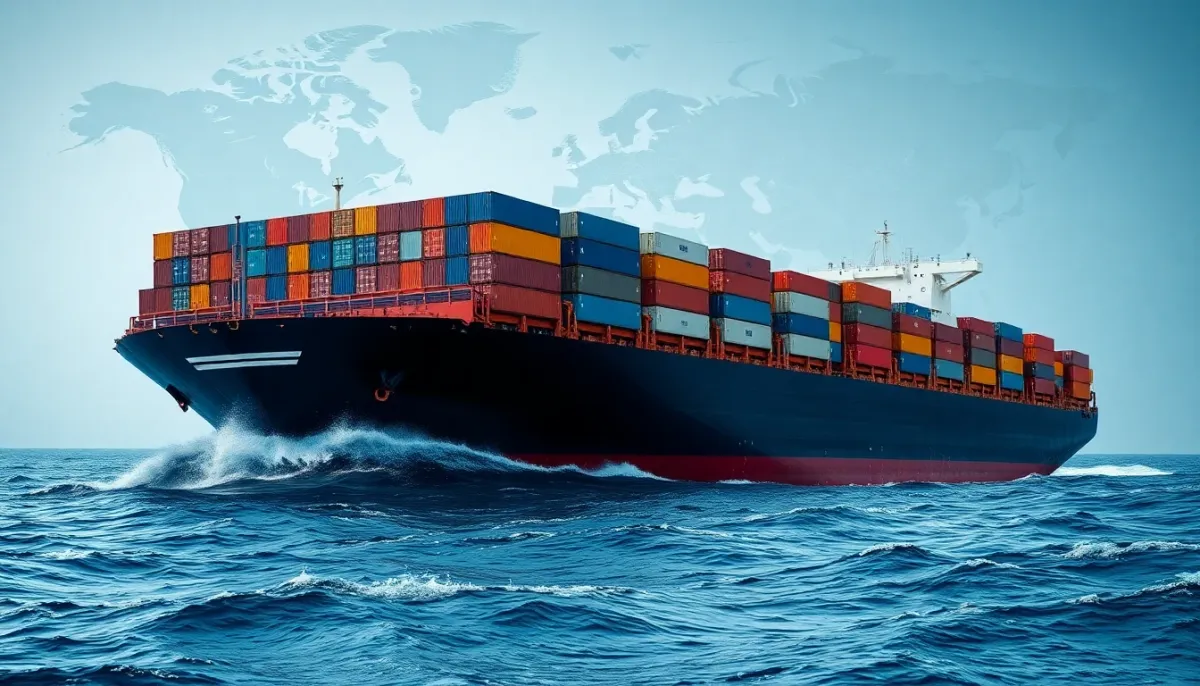
Recent escalations in geopolitical tensions in the Iran region have begun affecting the container shipping impact, with about 10% of the world’s container fleet reported to be snarled. This disruption, as stated by the CEO of Ocean Network Express, Jeremy Nixon, during the TPM26 conference hosted by S&P Global, is prompting carriers to reorder their cargo priorities and give precedence to empty vessels, leading to fluctuating freight rates in the global shipping market.
Key Details
As carriers navigate these challenges, the reality of the container shipping impact becomes clearer. With a shift in focus towards repositioning empty containers for urgent shipments, businesses will need to anticipate higher freight charges and potential delays. The situation reflects broader trends whereby geopolitical instability directly affects global supply chain dynamics, compelling logistics professionals to adapt promptly.
Industry Impact on the Global Freight Market
The container shipping impact is profound, with ripple effects extending across the global freight market. Elevated freight rates could disrupt trading plans, and supply chain executives must prepare for increased operating costs. Importers and exporters alike need to adjust their strategies, especially those engaged with regions affected by geopolitical tensions. The realignment of cargo priorities may also lead to longer transit times for goods, necessitating better planning aligned with evolving market conditions.
What This Means for Your Business
Businesses engaged in international trade must reassess their logistics strategies in light of the changing container shipping impact. It is vital to engage with freight forwarders who can navigate these disruptions effectively and provide alternatives when necessary. Additionally, investing in technology solutions can improve tracking and management of shipments amidst these volatile conditions. By staying informed and proactive, companies can mitigate risks tied to sudden market changes and maintain competitive advantage.
NutriCove Take
NutriCove's compliance monitoring solutions can help businesses navigate the complexities brought on by disruptions like the Iran conflict. By ensuring that all regulatory requirements are met, companies can maintain their operational integrity while managing supply chain challenges effectively. This proactive approach allows organizations to focus on scaling their logistics without compromising compliance.
FAQ
What is the impact of the Iran conflict on container shipping?
The Iran conflict has snarled about 10% of the world's container fleet, causing disruptions in the global shipping lanes. This has led to higher freight rates and delays as carriers prioritize repositioning empty containers.
How does shipping disruption influence global trade?
Shipping disruptions can increase operational costs due to higher freight rates and longer transit times, affecting the timely delivery of goods and overall supply chain efficiency.
Why should logistics professionals monitor global unrest?
Logistics professionals should monitor global unrest to anticipate and mitigate risks associated with geopolitical instability, ensuring their supply chains remain responsive and adaptable to changes.
What strategies can businesses adopt amidst shipping disruptions?
Businesses can engage with reliable freight forwarders, invest in technology for better shipment tracking, and maintain flexibility in their logistics strategies to cope with shipping disruptions.
Source: supplychaindive.com