Construction Input Prices Surge Due to Tariffs and Trends
Construction input prices saw a significant rise due to tariffs. Discover what this means for your business. Read more!
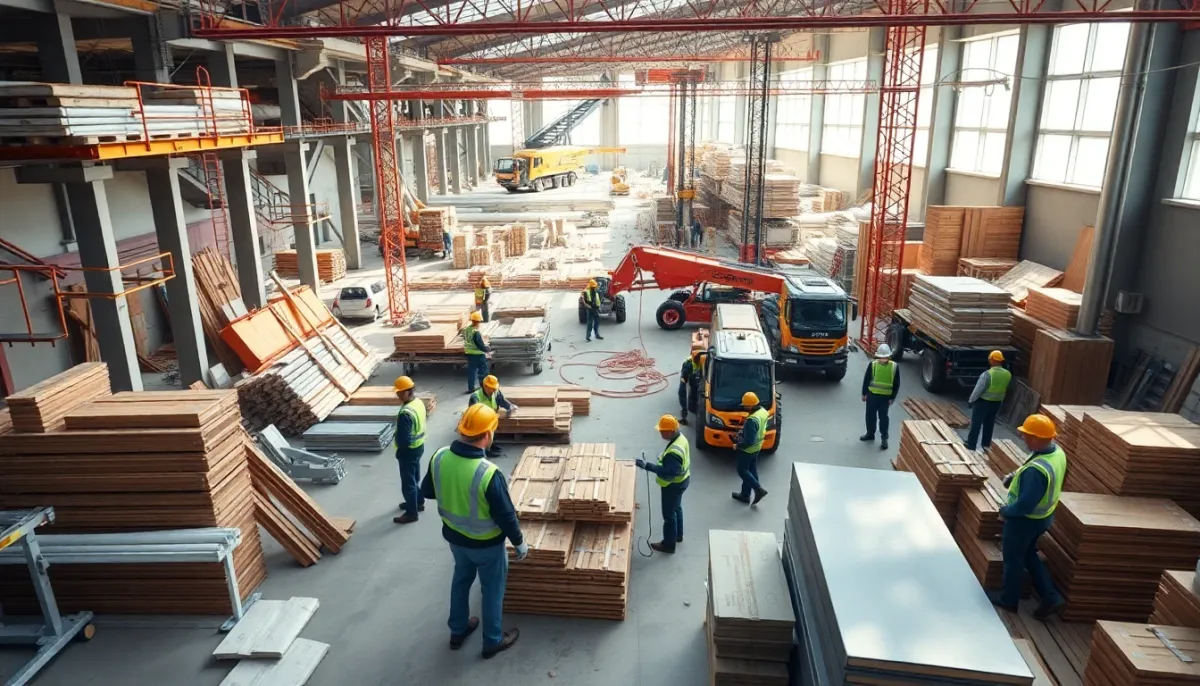
Construction Input Prices Surge Due to Tariffs and Trends
Rising Costs in the Construction Sector
In January, construction input prices experienced a dramatic increase, with nonresidential input prices climbing at an alarming rate of 7.1%. The surge is primarily attributed to tariffs imposed on key materials, leaving many in the construction industry grappling with rising costs. These changes reflect broader economic trends and set the stage for heightened vigilance among construction professionals and stakeholders.
Key Details Affecting Construction Input Prices
According to the Associated Builders and Contractors (ABC), tariffs on steel and lumber have significantly escalated construction input prices. This rise not only impacts new projects but threatens to alter existing contracts as well, as businesses wrestle with the unpredictable nature of material costs.
As construction demand continues to rebound post-pandemic, the interplay of tariffs and economic conditions has created a volatile environment. Companies may need to reassess budgets and contracts to accommodate these increased costs effectively.
Understanding the Industry Impact
Cost Escalation in Construction
Construction firms are already feeling the pinch from rising costs, which can lead to project delays and increased overall expenses. Understanding these trends is crucial for maintaining profitable operations in a turbulent economic landscape. As input prices fluctuate, strategic planning and effective financial management will be essential for construction companies.
Economic Trends to Watch
As tariffs continue to influence construction input prices, stakeholders should monitor economic indicators that may suggest future trends. Professionals in the industry must stay informed about potential changes in tariffs and related policies that could further impact costs and availability of materials.
What This Means for Your Business
For construction companies, the implications of increased input prices are profound. Businesses may need to reconsider pricing structures, rethink project scopes, or explore alternative supply chains to mitigate rising costs. Engaging in proactive planning and budgeting is vital to navigate these economic challenges effectively.
NutriCove Take
While the surge in construction input prices may not directly relate to the wellness industry, understanding these economic trends can help businesses in this sector plan their budgets more effectively. NutriCove's AI automation solutions can assist companies in optimizing their operations and resource allocation, ensuring they remain efficient and competitive even amidst rising costs. By streamlining processes, businesses can better navigate financial fluctuations while focusing on growth and compliance.
FAQ
What drives construction input prices?
Construction input prices are primarily driven by factors such as tariffs on raw materials, supply chain disruptions, and fluctuations in demand. These elements can create significant volatility in the market.
How do tariffs affect the construction industry?
Tariffs on materials like steel and lumber directly raise input prices, leading to higher project costs and potential delays. This can also affect business profitability and contract management.
Why is it important to monitor construction input prices?
Regular monitoring of construction input prices is essential for effective project budgeting, pricing strategies, and risk management, allowing firms to adjust proactively to market changes.
Source: constructiondive.com