Chlorhexidine Effectiveness: Insights into Antimicrobial Action
Explore chlorhexidine effectiveness in microbial inhibition. Learn its impact on pet health and veterinary care. Read more for insights!
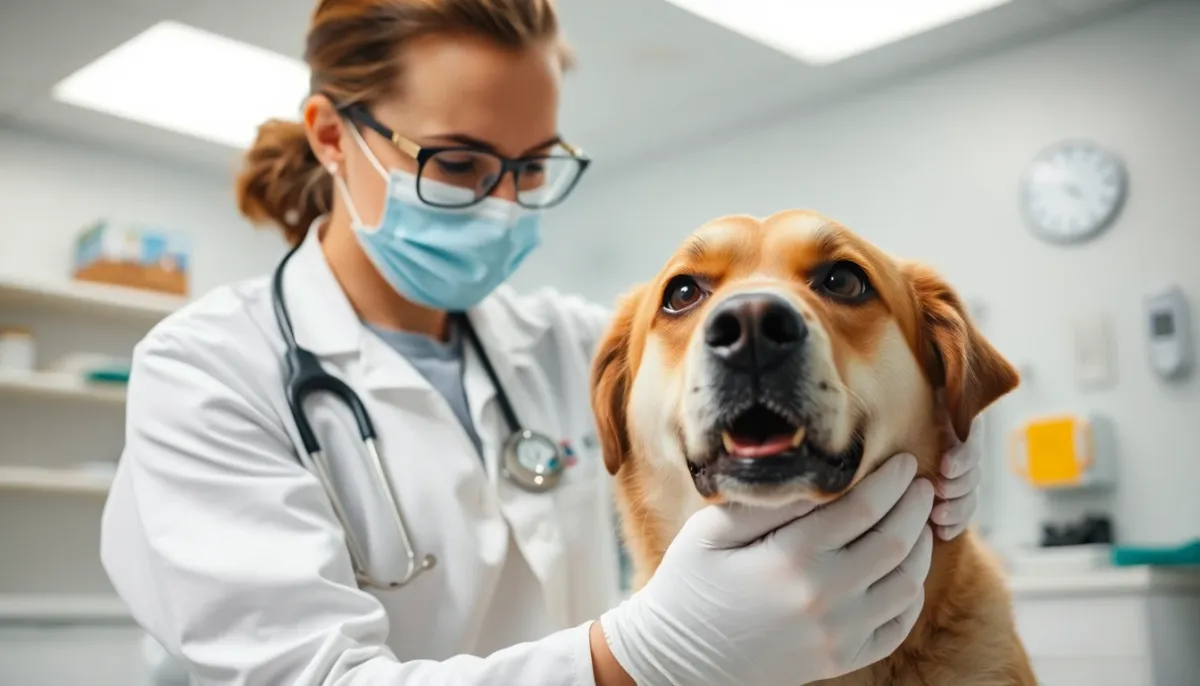
Chlorhexidine Effectiveness: Insights into Antimicrobial Action
Chlorhexidine effectiveness has recently garnered significant attention within veterinary circles, particularly for its role in controlling microbial growth. A study evaluating a 3% chlorhexidine mousse and shampoo showed proven efficacy in inhibiting various microbial isolates in dogs when applied properly.Pet owners and veterinary professionals alike are keen to understand how this treatment can improve their animals’ skincare and overall health.
Key Details of Chlorhexidine's Antimicrobial Activity
In the recent study published in Veterinary Dermatology, researchers found that both the mousse and shampoo were effective in inhibiting the growth of multiple microbial isolates, including Methicillin-sensitive Staphylococcus pseudintermedius (MSSP) and Methicillin-resistant Staphylococcus pseudintermedius (MRSP). Notably, the shampoo demonstrated that a 3-minute contact time was as effective as a 10-minute application, making it a practical choice for busy veterinary practices.
Industry Impact on Veterinary Antimicrobial Treatment
The chlorhexidine effectiveness in inhibiting microbial growth is paving the way for better veterinary practices and enhanced pet health. This development is vital for veterinarians who aim to control infections effectively while adhering to recommended antimicrobial stewardship practices. The residual activity of the mousse for four days post-application underscores its reliability as a long-term solution for infection control.
What This Means for Your Business
For veterinary practices, adopting products that showcase chlorhexidine effectiveness can translate to improved client satisfaction and better health outcomes for pets. As pet owners seek reliable treatments for their animals, emphasizing the efficacy of chlorhexidine products can position your practice as a trusted leader in veterinary dermatology.
NutriCove Take on Chlorhexidine Applications
NutriCove's compliance monitoring service is essential for businesses looking to integrate effective antimicrobial products like chlorhexidine into their offerings. By ensuring adherence to industry regulations and best practices, NutriCove helps companies maintain high standards of care while leveraging evidence-based solutions. This focus on compliance not only enhances product effectiveness but also supports the overall integrity of your brand.
FAQ
What is chlorhexidine used for?
Chlorhexidine is primarily used as an antibacterial solution to disinfect and prevent infections in various medical and veterinary settings. It is effective against a wide range of bacteria, fungi, and viruses.
How does chlorhexidine work?
Chlorhexidine works by disrupting bacterial cell membranes, leading to the leakage of cellular components and ultimately the death of bacteria. Its residual activity ensures prolonged effectiveness.
Is chlorhexidine safe for pets?
Yes, chlorhexidine is generally considered safe for pets when used as directed in veterinary products. However, it is advisable to consult a veterinarian before use, especially for pets with certain health conditions.
Can chlorhexidine be used on open wounds?
Chlorhexidine can be used on clean wounds as a disinfectant; however, it should be used with caution on deeper wounds or if there is significant tissue damage. Always consult a veterinarian for appropriate advice.
What's the difference between chlorhexidine and alcohol?
Chlorhexidine has lasting antimicrobial effects compared to alcohol, which evaporates quickly and has a shorter action time. Chlorhexidine is preferable for prolonged antimicrobial action on the skin.