Business Restructuring: Walgreens Closes Texas Facility
Walgreens' business restructuring leads to Texas facility closure. Discover its impact on supply chains. Read more now!
Business Restructuring: Walgreens Closes Texas Facility
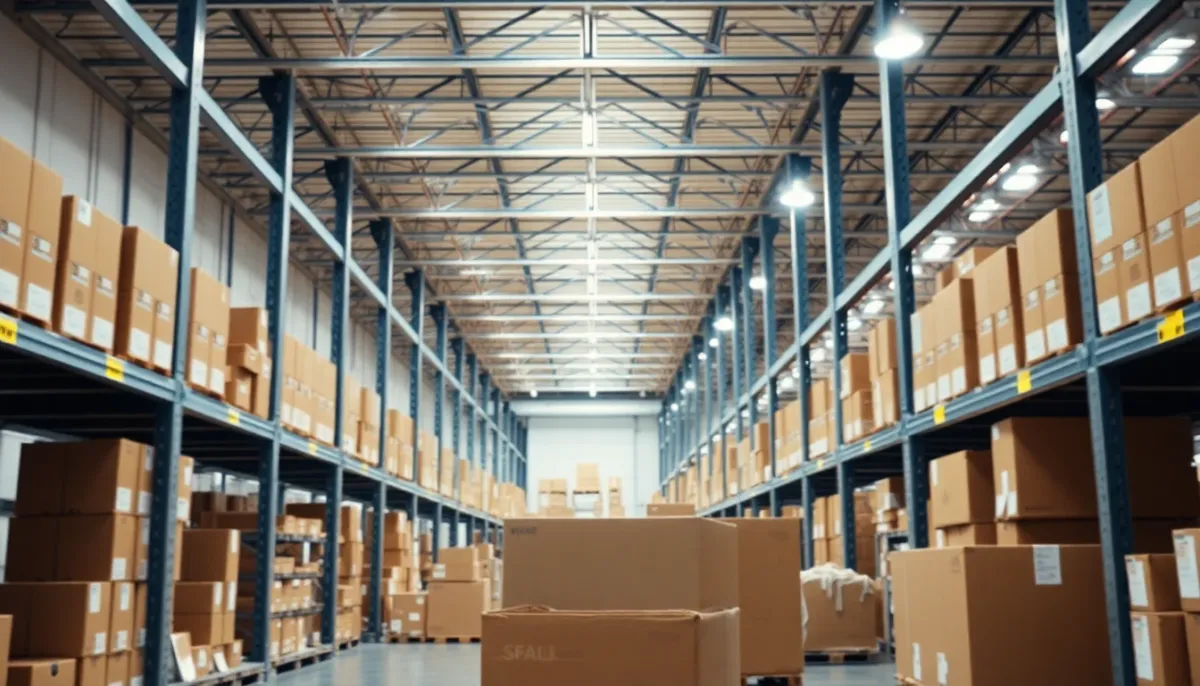
Walgreens recently announced a significant step in its business restructuring efforts by closing its distribution center in Houston, Texas. This closure impacts 159 workers and is part of a broader strategy to enhance its logistics operations and embrace micro-fulfillment centers. The decision reflects the company's commitment to transforming its distribution network to meet evolving market demands.
Key Details of the Closure
The closure of the Houston distribution center is a strategic move aimed at streamlining operations and optimizing the supply chain. By shifting focus towards micro-fulfillment solutions, Walgreens aims to improve efficiency and reduce operational costs. This restructuring aligns with the company's goals of modernizing its business model and enhancing its service capabilities.
Industry Impact: Supply Chain Optimization
The supply chain optimization landscape is rapidly changing, and Walgreens’ decision is indicative of a larger trend within the retail sector. As companies adapt to customer expectations for faster deliveries and increased convenience, many are moving away from traditional distribution setups. The shift towards micro-fulfillment centers enables businesses to get products closer to customers, thus improving delivery times and reducing transportation costs.
What This Means for Your Business
For businesses observing Walgreens’ restructuring, several lessons can be drawn. Embracing workforce changes and investing in innovative logistical solutions like micro-fulfillment can enhance efficiency and customer satisfaction. Companies should assess their current distribution strategies and consider how they can modernize their operations to keep pace with industry innovations.
NutriCove Take
NutriCove recognizes that business restructuring can present significant challenges in the healthcare and retail sectors. Our compliance monitoring services ensure that companies remain compliant with regulations during transitions, allowing them to focus on their growth and restructuring efforts without the added stress of regulatory concerns.
FAQ
What is business restructuring?
Business restructuring refers to the comprehensive reorganization of a company's structure, operations, or strategy aimed at improving efficiency and adapting to market changes. This can involve workforce adjustments, facility closures, or the introduction of new technologies.
How can business restructuring benefit a company?
Business restructuring can lead to enhanced efficiency, reduced costs, and improved service delivery by optimizing operations and adapting to consumer demands. This process often results in a more agile and competitive company.
What are common reasons for business restructuring?
Common reasons for business restructuring include financial challenges, the need to improve efficiency, changes in market conditions, or shifting consumer preferences that necessitate a transformation of business practices.
How does business restructuring impact employees?
Business restructuring can lead to workforce changes, including layoffs, reassignments, or the introduction of new roles. While it may create uncertainty, it can also open opportunities for employees with new skill requirements or positions.
Source: supplychaindive.com